

What the report does
The report inventories common property and assets, estimates remaining service life and 30-year repair or replacement costs, and presents funding scenarios. It is a planning tool—not a promise that every component will fail or be replaced on the forecast date.
B.C. requirements are stronger now
B.C. strata corporations with five or more lots must obtain reports on a five-year cycle. Stratas outside Metro Vancouver, the Fraser Valley and the Capital Regional District that lack a recent report generally face a July 1, 2027 deadline, subject to the legislation and transitional rules.
Read funding and condition together
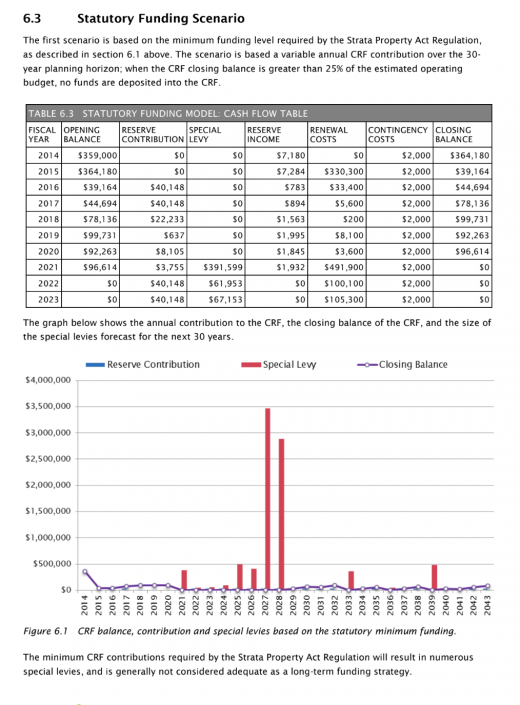
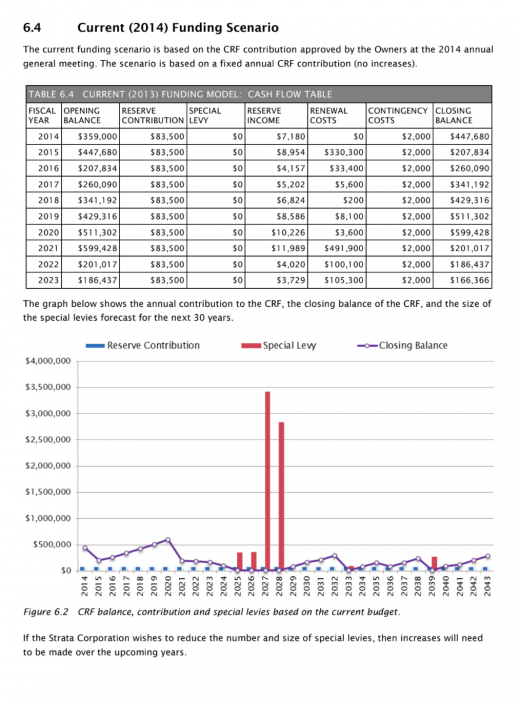
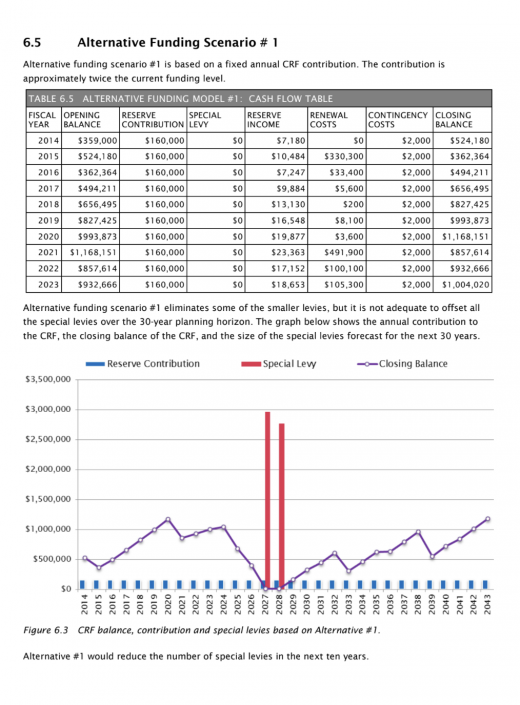
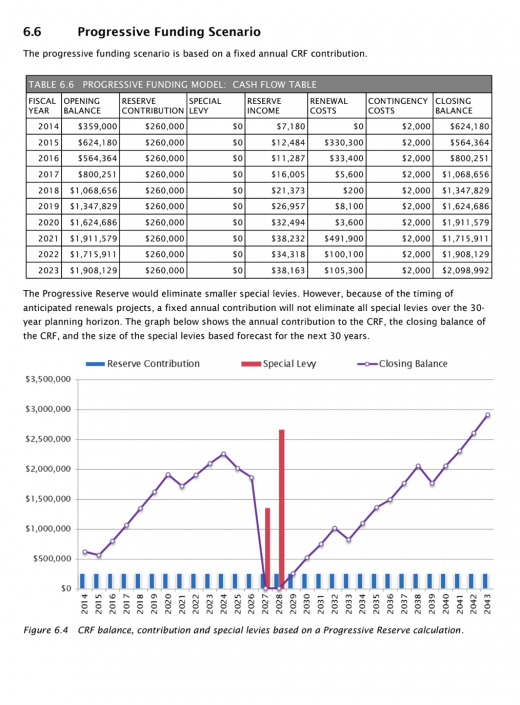
Compare projected work with the contingency reserve fund, annual contributions, approved levies, insurance deductibles, and owners’ appetite for maintenance. A high reserve is not automatically sufficient, and a low reserve is not meaningful without the upcoming schedule.
Cross-check the minutes
Minutes and engineering reports show whether work has been accelerated, deferred, rescoped, or disputed since the report. Compare the report’s assumptions with completed projects, current quotes, leaks, claims, and owner discussions.
Mountain-property details
Pay particular attention to roofs and snow management, exterior envelopes, decks, windows, parkades, drainage, retaining walls, pools and hot tubs, elevators, mechanical systems, roads, and private water or wastewater infrastructure where applicable.
Questions before removing conditions
Ask for a clear explanation when the plan and the finances do not line up.
- How old is the report and who prepared it?
- Which major projects have been completed since?
- What is scheduled in the next five years?
- Which funding scenario is the strata following?
- Are special levies approved, discussed, or likely?
- Do insurance and building investigations reveal additional risk?
How Richard helps with the report
Turning a technical report into a purchase decision
The original article explains how Richard helps buyers interpret the document, compare it with the building’s history, and coordinate questions for the right professionals.
Explain and interpret
Translate the component inventory, projected costs, remaining service lives, and reserve-fund information into plain language.
Add local context
Compare the plan and funding position with similar buildings and known property history, without treating another strata as a substitute for this one.
Model financial implications
Identify where strata-fee increases, special levies, or competing capital projects could affect the buyer’s budget.
Cross-check the evidence
Read the report beside minutes, engineering reports, insurance, budgets, Form B, completed work, and current quotations.
Coordinate specialist questions
Flag issues that should go to a building inspector, engineer, insurer, lender, accountant, or real-estate lawyer.
Support negotiation and timing
Use the available evidence to structure conditions, request missing records, meet due-diligence deadlines, and evaluate whether the overall property still fits.
Sources and further reading