
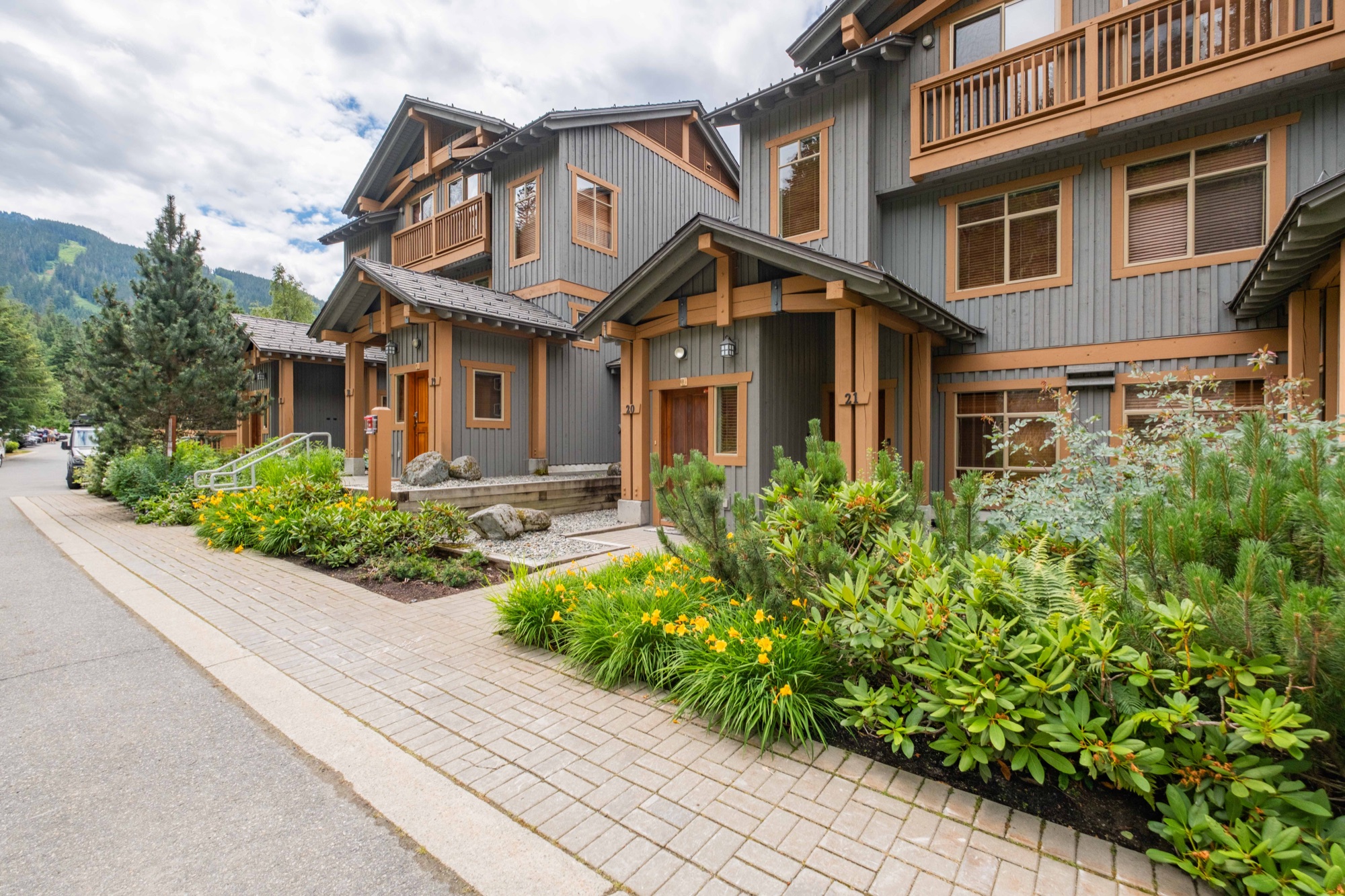
Define the sale strategy
Clarify timing, financial goals, possession needs, inclusions, tenancy, tax considerations, and what must happen after the sale. Strategy should guide pricing and launch timing—not the other way around.
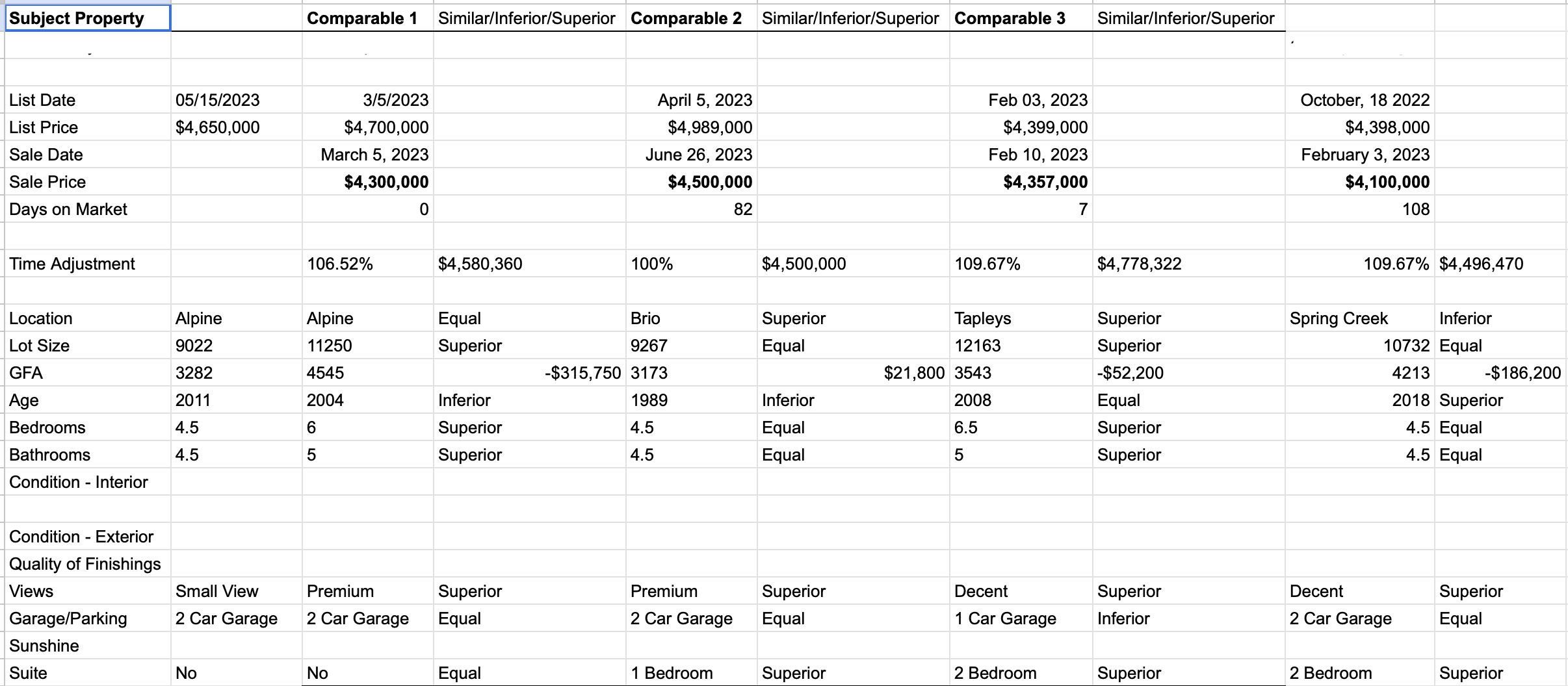
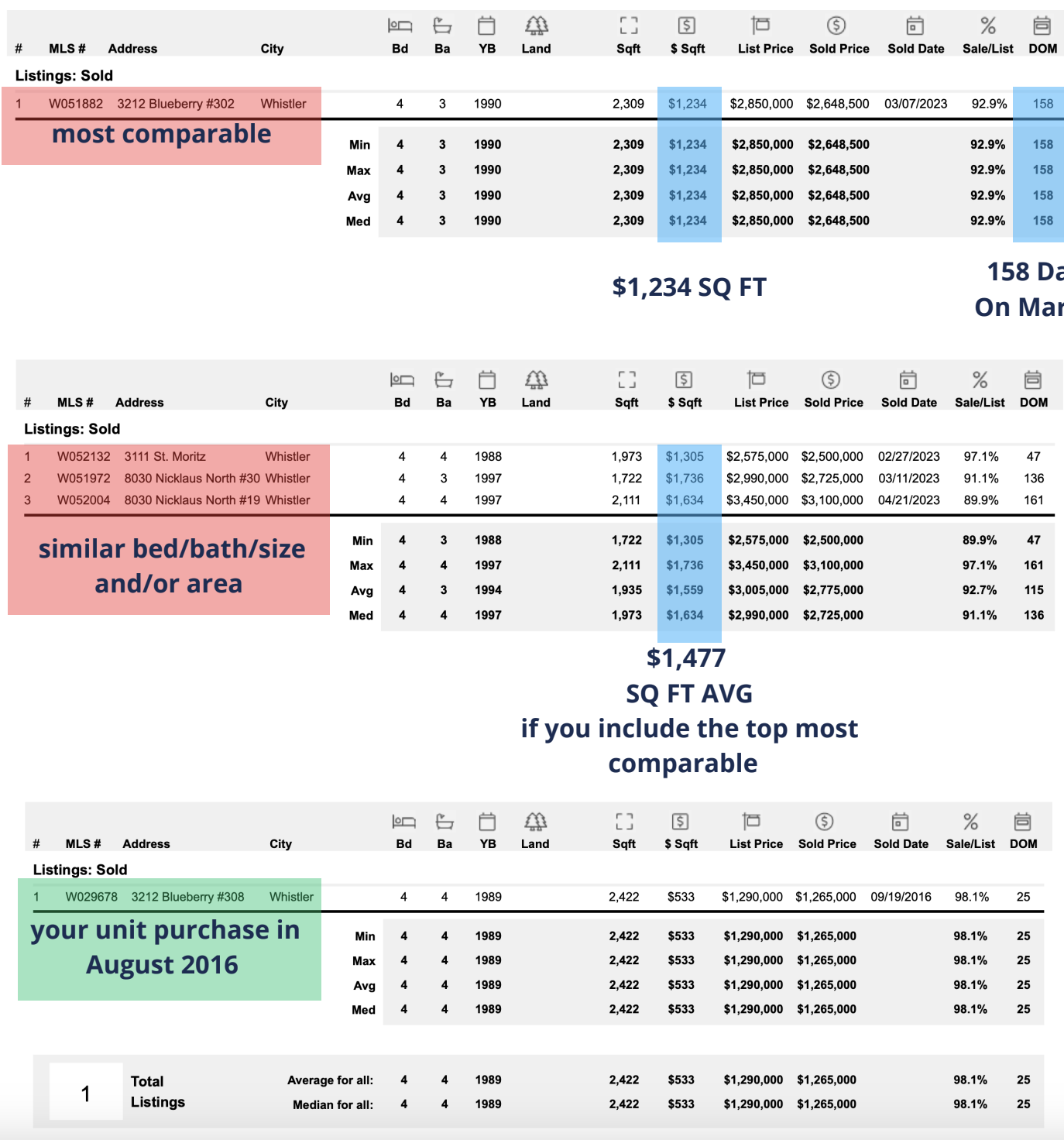
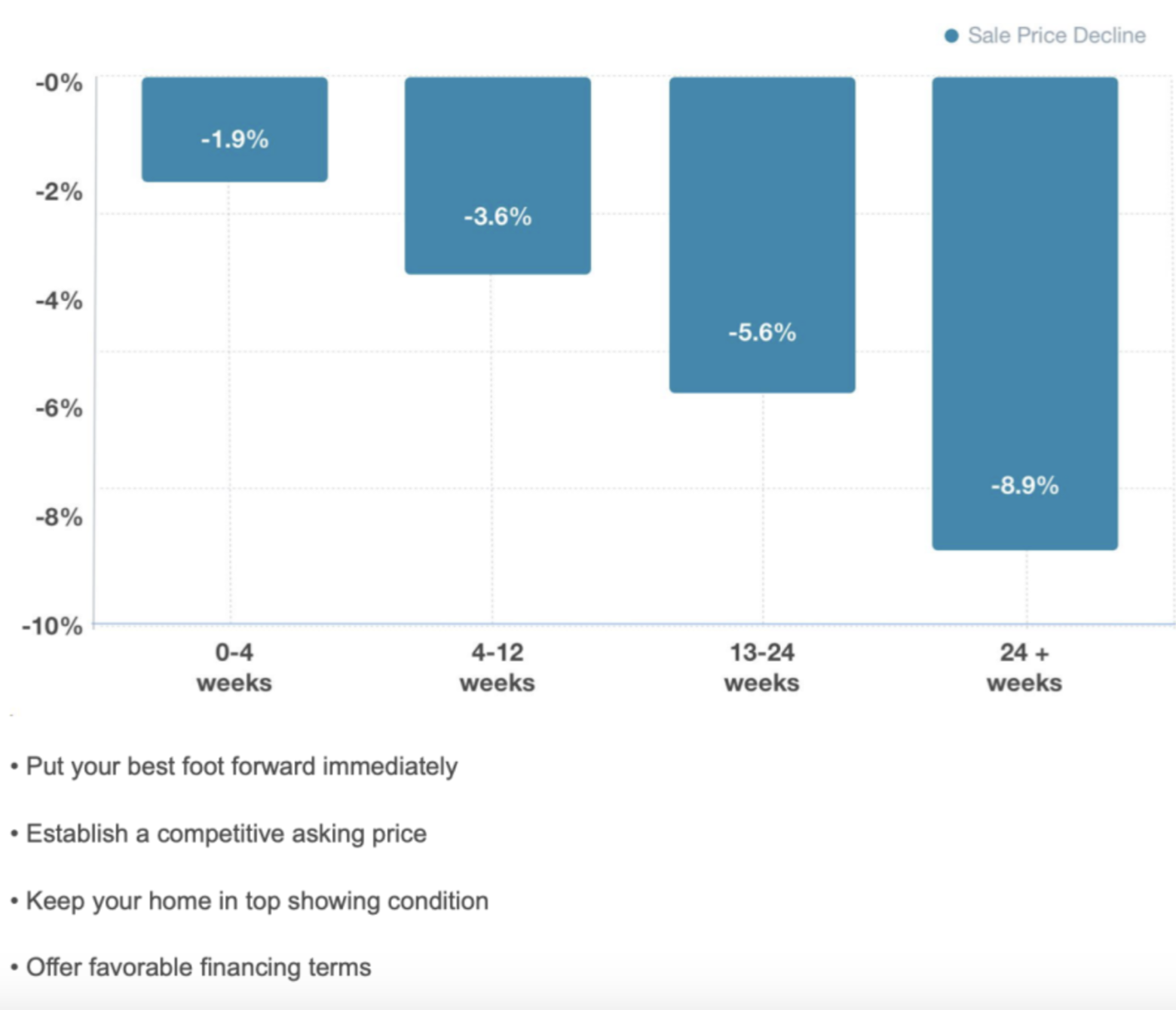
Price from the market buyers will see
Review recent comparable sales, current competition, expired listings, condition, zoning, revenue potential, outlook, privacy, access, and property-specific restrictions. A realistic range is more useful than a single flattering number.
Assemble documents early
For strata and resort properties, collect title, property disclosure information, strata records, Form B, depreciation report, insurance, rental statements, management agreements, renovation approvals, permits, surveys, warranties, and tax information as applicable.
Prepare for photography and inspection
Prioritize repairs, lighting, windows, exterior access, snow or landscaping, decluttering, and furniture placement. The goal is not to erase personality; it is to make space, condition, views, and circulation easy to understand.
Launch a complete story
Professional photography, floor plans, video, accurate copy, targeted distribution, showing preparation, and fast answers to due-diligence questions should work together. Luxury marketing is strongest when the details support the visual promise.
Compare offers beyond price
Review conditions, deposit, dates, inclusions, buyer financing, and execution risk. Plan communication and counter-offer authority in advance so the process stays calm when timing is compressed.
The original seller checklist
Ten practical steps Richard uses to prepare a sale
The original article combines presentation and marketing with the less-visible work of pricing, documentation, responsiveness, negotiation, and launch strategy.
Set the right price
Use comparable sales, current competition, time adjustments, land and building value, property features, and market direction—not an aspirational number unsupported by evidence.
Improve curb appeal
Make the arrival feel cared for through landscaping, access, exterior maintenance, lighting, and a welcoming entrance.
Refresh paint thoughtfully
A clean, current palette can improve presentation, but the work should support the property rather than distract from it.
Stage for clarity
Arrange furniture and belongings so buyers can understand circulation, room scale, views, storage, and the way the home lives.
Market across the right channels
Coordinate listing exposure, agent outreach, digital marketing, social media, print where useful, and targeted follow-up.
Use professional photography
Strong images are central to online discovery. Even a renovation or redevelopment property benefits from clear interior and exterior documentation.
Complete repairs and maintenance
Address issues that could undermine confidence, interrupt inspection, or create avoidable negotiation late in the process.
Prepare documents early
Gather title, strata, permits, surveys, warranties, rental records, and property-specific disclosures before buyer questions compress the timeline.
Respond promptly
Fast, accurate answers help maintain trust and momentum while protecting the quality of disclosure.
Negotiate the complete offer
Compare price together with conditions, deposit, dates, inclusions, financing strength, and the probability of completion.
Sources and further reading